Geothermal Drilling in Türkiye: Challenges and Solutions
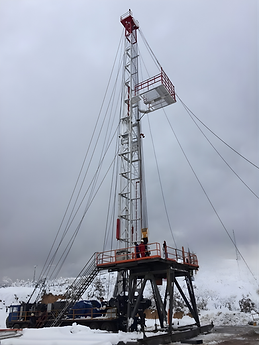
Turkey remains one of the most active geothermal markets in the region. The resource potential is strong, but geothermal wells are technically demanding and operationally unforgiving. High temperatures, fractured formations, and uncertain fluid behavior require a different operating model than many conventional wells.
The good news is that most of the risk is manageable when the project is designed for geothermal conditions from the start.
Why Geothermal Wells Are Different
Geothermal drilling is not just hotter drilling. It changes the full operating envelope.
- Downhole temperatures can exceed standard tool limits.
- Fractured formations create unstable circulation behavior.
- Lost circulation can escalate quickly.
- Fluid chemistry can introduce scale and corrosion problems early.
These conditions affect drilling speed, well integrity, and long-term plant performance.
Main Challenges in Turkish Geothermal Projects
1. High-temperature operating conditions
In many Turkish fields, temperature pushes the limits of:
- mud systems
- downhole motors
- MWD and LWD tools
- elastomers and seals
If materials are not qualified correctly, tool failures and repeat trips consume large amounts of rig time.
2. Lost circulation in fractured intervals
Natural fractures and permeable zones can absorb large mud volumes. When losses are not controlled, teams face:
- more complex pressure management
- higher hole instability risk
- data quality issues
- avoidable downtime and cost growth
3. Wellbore stability and casing design stress
Rapid thermal gradients and heterogeneous lithology can create instability risks. Casing and cement design must support:
- thermal cycling
- cement integrity under temperature stress
- long-term production and reinjection requirements
Programs designed only for drilling often create expensive remediation later.
4. Scale and corrosion exposure
Geothermal fluids may contain dissolved minerals and gases that cause:
- scale in tubulars and surface equipment
- corrosion in exposed metallurgy
This starts as a design problem, not only a production problem.
5. Permitting and environmental sensitivity
Geothermal developments often involve local communities, land-use approvals, and environmental controls. Drilling plans need to align with those constraints from day one.
Practical Solutions That Work
Build a temperature-first drilling program
Before the well program is finalized:
- verify the temperature profile assumptions
- qualify all critical tools for expected conditions
- define thermal operating limits and contingency steps
This avoids predictable failures and protects schedule reliability.
Use a structured lost-circulation strategy
Losses should not be managed ad hoc. Pre-plan:
- loss severity categories
- treatment options by interval
- escalation trigger points
- decision authority for switching strategy
A prepared lost-circulation matrix reduces confusion during critical operations.
Design for lifecycle integrity
Casing and cementing design should support long-term thermal performance, not only initial drilling. Include:
- thermal stress scenarios
- completion compatibility
- future workover accessibility
A lifecycle view reduces future intervention cost.
Integrate chemistry early
Scale and corrosion specialists should be involved early so that metallurgy, inhibitor strategy, and monitoring requirements align before field execution.
Strengthen operational governance
High-temperature wells need fast, coordinated decisions. Teams should define:
- who owns technical decisions
- who can approve deviations
- when escalation becomes mandatory
Governance quality is a direct performance driver.
A Field-Oriented Execution Model
For Turkish geothermal campaigns, a practical operating model includes:
1. An integrated pre-spud risk workshop.
2. A temperature and loss-control readiness check.
3. A daily cross-functional operations review.
4. A real-time issue log with named action owners.
5. End-of-well lessons learned tied to the next-well plan.
This approach converts field knowledge into repeatable performance.
If you are evaluating a geothermal or broader energy-transition drilling program, an early technical review and field-readiness plan can materially reduce execution risk.
Final Takeaway
Geothermal drilling in Turkey offers major energy opportunity, but success depends on disciplined execution in high-risk conditions. Teams that perform best combine technical depth with integrated decision-making, lifecycle integrity thinking, and fast field response.
If geothermal wells are treated as conventional wells with more heat, project risk increases. If the project is engineered specifically for geothermal conditions, performance, safety, and long-term field value improve significantly.
Frequently Asked Questions
What is the most critical operating risk in geothermal drilling?
The exact answer depends on the field, but high temperature and lost circulation are usually the two risks that challenge schedule reliability the most.
Can lost circulation be fully prevented?
Not always. In fractured geothermal reservoirs, the goal is usually to reduce impact through prepared decision trees, materials strategy, and fast escalation.
What management practice matters most in geothermal projects?
Integrated planning across drilling, chemistry, integrity, and operations teams is usually the most important management practice because the risks are tightly connected.

